Experienced Architectural Designers in St. Louis
Transform Your Environment: The Power of Skilled Architectural Design Support
Skilled architectural design offerings play an essential role in transforming spaces. These services merge practicality with visual appeal, guaranteeing that every project fulfills both functional requirements and aesthetic expectations. Architects employ advanced techniques and sustainable practices, aligning their designs with community requirements. Yet, numerous individuals fail to recognize how these offerings can unlock the full capability of their surroundings. Examining the wide-ranging benefits of working with an architect uncovers perspectives that could transform any environment.
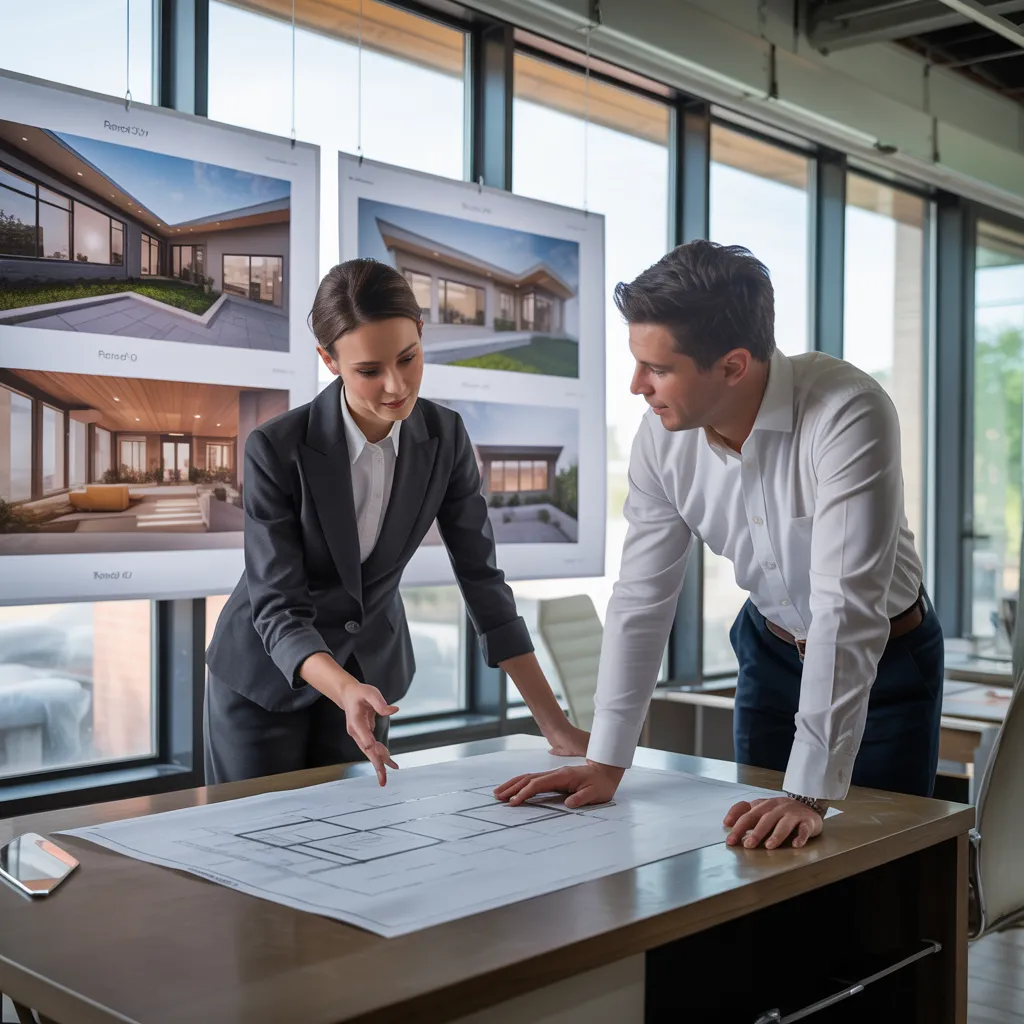
Unlocking the Value of Professional Architectural Design
Highlighting the importance of skilled architectural practice is vital for elevating both aesthetic appeal and functionality in any project. Professional architectural practice goes beyond see guide mere aesthetics; it incorporates the principles of structural integrity, space planning, and environmental sustainability. By employing sophisticated methods and a deep understanding of materials, design experts create spaces that are not only visually compelling but also practical and efficient.
Moreover, experienced architectural professionals take into account the unique characteristics of each project, including regulatory requirements, environmental conditions, and community expectations. This comprehensive methodology ensures that the overall design is not only innovative but also perfectly suited to its environment. They utilize cutting-edge technology, such as 3D modeling, to give clients a precise visualization of the finished project. Ultimately, choosing professional architectural design services yields significant long-term gains, enhancing both the experience of the occupants and the overall value of the property.
Top Advantages of Engaging an Architect for Your Design Project
Engaging an architect for a construction project offers numerous advantages that strengthen both the overall process and the end result. Architects provide a depth of experience, ensuring that projects follow local regulations and building codes, which can avoid expensive problems down the line. Their ability to produce detailed plans and specifications works to streamline the construction process, decreasing delays and miscommunication among contractors.
Additionally, architects demonstrate expertise in project management, coordinating multiple components of the design and construction phases. This oversight ensures that deadlines and costs are maintained, giving clients confidence and reassurance. Furthermore, architects are capable of spotting potential challenges at the beginning of the design phase, enabling proactive problem-solving. Their familiarity with materials and construction methods frequently generates innovative solutions that enhance performance and environmental impact. At the end of the day, working with an architect not only elevates the design project but also enriches the complete process for clients.
Advancing Aesthetics and Functionality Through Architectural Skill
Architectural proficiency serves an essential role in elevating both form and function in construction endeavors. By employing innovative design solutions, maximizing available space, and choosing eco-friendly materials, designers can develop spaces that are beautiful and highly functional. This methodology not only addresses the expectations of clients but also promotes environmental responsibility.
Progressive Design Concepts
Groundbreaking design strategies reshape spaces by seamlessly blending aesthetics with functionality. Architectural professionals leverage creative strategies to address varied client requirements while elevating aesthetic value. By utilizing textures, hues, and shapes that complement the surroundings, architects craft balanced environments that embody personal character. Advanced technology, including 3D modeling and virtual reality, allows for immersive simulations, empowering clients to explore designs before construction begins. Moreover, adopting green practices confirms that designs serve aesthetic purposes while supporting ecological preservation. By thoughtfully addressing illumination, volume, and movement, these approaches enhance user satisfaction and foster wellness. In the end, forward-thinking design cultivates a distinctive balance between functionality and elegance, enhancing the quality of residential and professional spaces.
Space Optimization Techniques
Maximizing space involves strategic planning and design techniques that enhance both aesthetics and functionality. Skilled architectural design professionals implement techniques including expansive floor plans, which do away with superfluous walls and cultivate an airy atmosphere. Multi-functional furniture can be integrated to serve various purposes, ensuring that every square foot is utilized effectively. Moreover, deliberate arrangement of windows and mirrors can generate the perception of roomier spaces, welcoming natural light and boosting visual perspective. Designers also take into account traffic flow patterns, guaranteeing that navigation through a space is both seamless and practical. By prioritizing these optimization techniques, architects transform environments into harmonious areas that not only look appealing but also cater to the practical needs of their occupants.
Eco-Friendly Material Selections
With a growing emphasis on sustainability, designers are turning more often to environmentally conscious materials that improve both visual appeal and performance. Making use of resources such as reclaimed wood, bamboo, and recycled metal not only reduces environmental impact but also contributes a one-of-a-kind quality to environments. Such selections support a harmonious design, blending seamlessly with natural surroundings. Additionally, incorporating materials like low-VOC paints and energy-efficient glass improves indoor air quality and enhances thermal performance, resulting in improved health and comfort for building occupants. Through the thoughtful choice of eco-friendly resources, architects create visually appealing environments that appeal to environmentally aware clients. Such a philosophy encourages a more conscientious design approach, proving that beauty and sustainability can coexist, while responding to the critical call for sustainable innovations in today's built environment.
How Technology Shapes Today's Architectural Designs
At present, countless technological advancements heavily affects architectural design, transforming how structures are planned and developed. Building Information Modeling (BIM) permits architects to generate intricate 3D models, supporting better collaboration among stakeholders and ensuring precision throughout the design process. Moreover, virtual reality (VR) and augmented reality (AR) empower clients to experience spaces before they are developed, making design decisions more informed and intuitive.
Sustainability has further been strengthened through technological innovation, with energy modeling programs enabling architects to enhance structural performance by modeling energy usage and ecological effects. In addition, cutting-edge materials and building methods, such as 3D printing and prefabrication, optimize the overall construction workflow, lowering both time requirements and expenses. Drones and robotics are increasingly used for site surveys and inspections, delivering live data that enhances precision and on-site safety. In summary, technology not only fosters creative design but also ensures that architectural solutions align with contemporary standards of efficiency and sustainability.
Frequent Myths Surrounding Architectural Services
Numerous people have false beliefs about professional architectural services, thinking that they are far too costly and that architects only focus on building design. This limited perspective overlooks the diverse range of services architects provide, including strategic planning and expert consultation. Understanding these misconceptions is vitally important for understanding the real significance of architectural expertise.
Architectural Services Come at a High Cost
The perception that architectural services come with an unaffordable price tag often stems from misunderstandings about their value and scope. Numerous people associate elevated prices with being out of reach, overlooking the long-term benefits that professional design can provide. Architectural services encompass more than just blueprint creation; they include thorough planning, adherence to regulations, and creative solutions. Through investing in these professional offerings, individuals commonly benefit financially through optimized resource utilization, minimized construction setbacks, and greater property appreciation. In addition, the intricacy of a project can significantly influence overall expenses, underscoring the need to appreciate that a carefully structured design can generate considerable monetary savings. At its core, considering architectural services as a worthwhile investment rather than a cost can shift perspectives and deepen recognition of their value.
Architects Solely Design Buildings
A common misconception is that architects solely focus on designing buildings. In reality, their expertise extends far beyond mere structure. Architects contribute to city planning, landscape development, and interior spaces, maintaining cohesion across multiple elements. They collaborate with clients to create functional environments that enhance quality of life. Furthermore, architects participate in sustainability initiatives, incorporating environmentally conscious methods into their work. They regularly take on public spaces, green parks, and civic projects, responding to societal requirements and upgrading urban frameworks. Beyond that, architects deliver critical expertise in renovation and restoration work, safeguarding historical importance while accommodating present-day demands. This multifaceted role showcases their importance in shaping not just buildings, but entire communities and environments.
Selecting the Ideal Architect for Your Design Requirements
How can someone ensure that the selected architect aligns with their specific design vision? Choosing the ideal architect requires thorough assessment of key elements. Initially, reviewing an architect's portfolio can provide insight into their design style and expertise. This approach enables future clients evaluate whether the architect's prior designs reflects their own aesthetic preferences.
Furthermore, clear communication is essential. Taking part in preliminary consultations enables clients to communicate their ideas and expectations with clarity. An architect's ability to listen and respond thoughtfully indicates their commitment to understanding the client's vision.
Additionally, reviewing references and client feedback can highlight the architect's dependability and professional standards. It is essential to confirm that the architect has relevant experience suited to the project's requirements, whether residential or commercial. Ultimately, a carefully selected architect can transform a vision into reality, making the hiring process pivotal for successful architectural outcomes.
Success Stories in Architectural Design
Transforming visions into reality, successful architectural design stories highlight the remarkable influence of careful planning and innovative execution. One notable example is the reinvention of a historic warehouse into a thriving community hub. Designers carefully retained original features while incorporating contemporary conveniences, resulting in a space that promotes teamwork and meaningful connection.
One other motivating example involved a eco-conscious residential project that incorporated sustainable building materials and innovative design techniques. This methodology not only lowered carbon emissions but also fostered a cohesive and comfortable residential setting, setting a benchmark for forthcoming construction endeavors.
Across urban settings, the transformation of overlooked locations into vibrant parks highlights how purposeful design can improve the quality of life for residents. Each story reflects a focus on enhancing functionality and aesthetics, demonstrating how expert architectural solutions can transform environments and enhance everyday living. Such achievements stand as proof of the transformative power of architectural design in crafting spaces for generations to come.
Commonly Asked Questions
What Certifications Should I Look for in an Architect?
When searching for an architect, it is essential to prioritize qualifications such as a fitting educational background, proper professional licensing, variety in their portfolio, effective interpersonal skills, and a proven track record in the relevant project type to guarantee effective collaboration and successful outcomes.
How Long Does the Architectural Design Process Typically Take?
The process of architectural design generally requires anywhere from three to six months, depending on the complexity of the project, client requirements, and regulatory approvals. Clear communication and close collaboration may shorten this timeline, ensuring timely delivery of the final design.
What Costs Can You Expect When Hiring an Architect?
The costs associated with hiring an architect generally fall between 5% and 15% of the overall project budget, according to the project's complexity and overall scope. Additional fees may arise for consultations, revisions, and specialized services throughout the design process.
Can Architects Help With Permits and Zoning Regulations?
Yes, architects can assist with permits and zoning regulations. Their knowledge ensures adherence to local laws, simplifying the application process and minimizing potential delays, thereby enabling the successful execution of a project.
How Do I Effectively Convey My Vision to an Architect?
To communicate effectively with an architect, it is important to prepare visual references, clearly express specific requirements, address personal preferences, and stay receptive to professional recommendations. Transparency and cooperation encourage meaningful discussion, ensuring the vision aligns with architectural expertise.